- 1 Langmead Close East Preston, BN16 3FF West Sussex, United Kingdom
- info@musanahomecare.co.uk



 by Musana
As parents grow older, their physical and emotional needs often change. While many seniors wish to remain independent and continue living in the comfort of their own homes, everyday tasks can gradually become more difficult. Activities such as cooking, managing medication, keeping the house clean, or maintaining personal hygiene may no longer be as easy as they once were.
For families, it can sometimes be challenging to recognise when occasional help is no longer enough and when professional support may be beneficial. Ignoring early warning signs can increase the risk of accidents, health complications, and emotional distress for elderly loved ones.
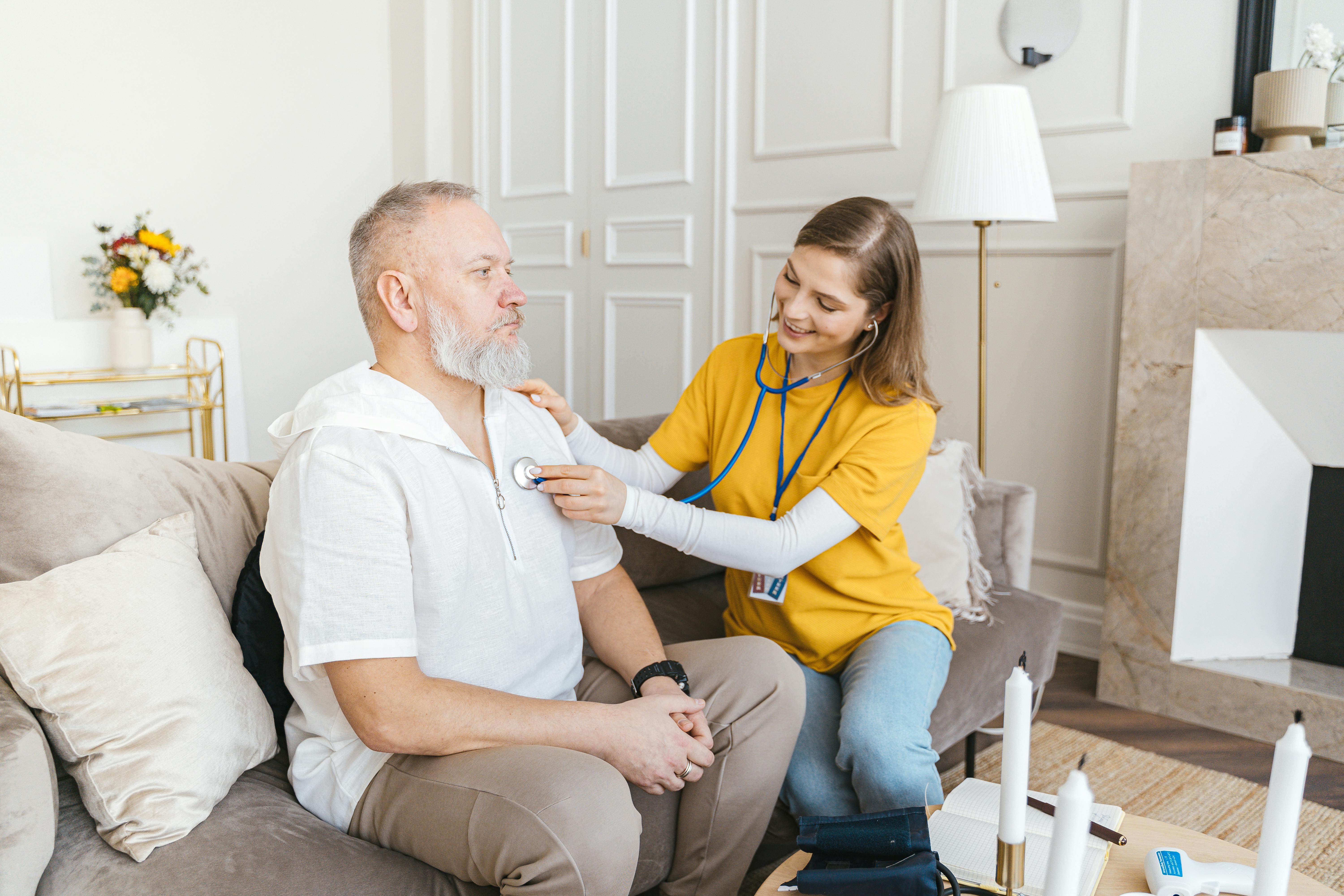
Recognising the signs that an elderly parent may need home care can help families take proactive steps to ensure their loved ones remain safe, healthy, and supported. Professional home care services provide personalised assistance with daily activities while allowing seniors to maintain their independence and dignity in familiar surroundings.
In this article, we will explore seven common signs that your elderly parent may need home care, and how the right support can help improve their safety, wellbeing, and quality of life.
Everyday tasks that were once simple—such as cooking, cleaning, and laundry—can become overwhelming with age.
Warning signs include:
Home care services can assist with household tasks, ensuring seniors maintain a safe and comfortable living environment while continuing to enjoy their independence.
Occasional forgetfulness is normal, but frequent memory lapses may indicate a deeper problem.
Signs to watch for:
Professional caregivers provide reminders, supervision, and mental stimulation activities to support seniors experiencing memory challenges.
A noticeable drop in personal hygiene can signal that a senior is struggling to manage self-care.
Red flags include:
Caregivers can assist with personal care tasks to help seniors maintain dignity, cleanliness, and confidence.
Falls are one of the leading causes of injury among older adults.
Indicators include:
Caregivers provide mobility support, monitor safety, and help prevent accidents in the home.
Many seniors living alone may withdraw from family, friends, and hobbies.
Warning signs:
Companionship from caregivers helps reduce loneliness and improves emotional wellbeing.
Proper medication management is critical for health and safety.
Red flags include:
Home care services offer medication reminders and assistance to ensure treatment plans are followed safely.
Poor nutrition can quickly affect health.
Signs to watch for:
Caregivers can prepare balanced meals, encourage healthy eating habits, and monitor dietary needs.
Professional home care services provide personalised support tailored to each individual’s needs. Common services include:
By offering assistance with daily activities, home care allows seniors to remain safe, independent, and comfortable in their own homes.
Recognising the signs that an elderly parent may need additional support is the first step in ensuring their safety, health, and wellbeing. Home care services provide compassionate, professional, and personalised assistance that allows seniors to live independently while receiving the help they need.
If you notice any of these signs in your loved one, Musana Home Care Services is here to provide compassionate, reliable support tailored to your family’s needs.
If you’re considering in-home care for a loved one, we’re here to guide and support you.
📞 Call us: +44 7907 159661
📧 Email us: musanahomecare@yahoo.com
📍 Visit us: 1 Langmead Close, East Preston, BN16 3FF, United Kingdom
No obligation—just a friendly chat about how we can help your loved one live comfortably at home.